

Penalty for Refusing a Service Dog: ADA Fines in 2026

Dog Name: Jonie Jonalyn Dionio is not only a skilled web developer but also a dedicated pet lover, which deepens her expertise on topics related to emotional support animals. Through her journey with her Akita, Jonie, Jonalyn has gained firsthand insight into the needs, behaviors, and profound emotional connections pets bring to their owners' lives. With over a decade of experience in web development, Jonalyn excels in creating dynamic, user-friendly websites tailored to meet specific client needs. Proficient in HTML, CSS, JavaScript, and PHP, she combines technical skill with a personal passion for pets to craft accessible, informative platforms for the ESA community.
June 18, 2026
by Isys Bastos


Dog Name: Jonie Jonalyn Dionio is not only a skilled web developer but also a dedicated pet lover, which deepens her expertise on topics related to emotional support animals. Through her journey with her Akita, Jonie, Jonalyn has gained firsthand insight into the needs, behaviors, and profound emotional connections pets bring to their owners' lives. With over a decade of experience in web development, Jonalyn excels in creating dynamic, user-friendly websites tailored to meet specific client needs. Proficient in HTML, CSS, JavaScript, and PHP, she combines technical skill with a personal passion for pets to craft accessible, informative platforms for the ESA community.
June 18, 2026
by Isys Bastos
Accommodating service dogs is essential for inclusivity. These animals are vital for supporting individuals with disabilities, and the Americans with Disabilities Act (ADA) ensures their handlers’ rights in public spaces according to service dog laws. Refusing service dogs can lead to serious legal consequences.
Understanding these rules helps businesses avoid penalties. It also protects the rights of people with disabilities. Having the correct documentation, such as a PSD Letter, and creating awareness ensures compliance and encourages accessibility.
What is the Penalty for Refusing a Service Animal?
The U.S. Department of Justice can seek civil penalties up to $118,225 for a first ADA Title III violation and up to $236,451 for later violations. These are DOJ-adjusted maximum penalties under 28 CFR § 85.5 for penalties assessed after July 3, 2025, for violations occurring after November 2, 2015.
Beyond federal fines, refusals can cause harm to the handler. This may include lost wages, medical expenses, and emotional distress. These penalties emphasize the importance of allowing access to every dog trained to assist with disabilities.
Is It Legal for a Business to Refuse a Service Dog?
No. A business that refuses a service dog violates Title III of the Americans with Disabilities Act in nearly every case. Staff ask only two questions: whether the dog is a service animal required for a disability, and what task it performs. A business denies access only when the dog is out of control or not housebroken.
Do Restaurants and Hotels Have to Allow Service Dogs?
Yes. Restaurants, hotels, stores, and other public accommodations admit service dogs in all areas open to customers, including dining rooms and guest rooms. A “no pets” policy does not apply to a service dog. A restaurant or hotel that turns one away faces the same ADA civil penalties as any other public accommodation.
Get your Official PSD Letter Consultation from a licensed therapist.
Get PSD Letter NowQuick Snapshot: Fines & Legal Consequences
| Violation | ADA civil penalty (federal) |
|---|---|
| First violation | Up to $118,225* |
| Subsequent violation | Up to $236,451* |
| Private lawsuit (Title III) | Injunctive relief and attorney’s fees; no damages to the individual under federal law |
| State claims | Varies — several states add their own damages (see state section) |
*These are the current DOJ-adjusted maximum civil penalties under 28 CFR § 85.5 for ADA Title III public accommodation violations assessed after July 3, 2025, for violations occurring after November 2, 2015. Source: eCFR, 28 CFR § 85.5, and DOJ Civil Monetary Penalties Inflation Adjustments for 2025.
- Injunctive relief
- Attorney’s fees
- No federal money damages
- State laws (e.g., Unruh Act in California) may allow statutory damages
- Lost income
- Medical expenses
- Emotional distress
A store refused entry to a guide dog. The handler sued for discrimination.
Result: Legal consequences and public backlash.
Lesson: Always follow service animal laws.
- For compliance peace of mind, always consult legal counsel—especially if operating across different states.
What Is the Fine?
Businesses may face federal civil penalties of up to $118,225 for a first ADA Title III public-accommodation violation and up to $236,451 for subsequent violations. These are DOJ-adjusted maximum penalties under 28 CFR § 85.5 for penalties assessed after July 3, 2025, for violations occurring after November 2, 2015. The DOJ adjusts civil monetary penalties for inflation, so businesses and editors should periodically re-check the current eCFR before relying on fixed dollar figures.
Restitution Costs and Extra Compensation
Refusing a service animal can lead to extra restitution costs beyond federal fines. Businesses may be liable for damages caused to the handler or the service animal.

- Veterinary Expenses: Covering the cost of treatment for injured service animals.
- Lost Wages: Compensating the handler if the denial affects their employment or work opportunities.
- Medical Expenses: Reimbursing the handler for any medical costs resulting from the refusal.
- Psychological Therapy: Covering costs for emotional harm caused by the refusal of the service animal.
Some restitution may also cover travel disruptions or denied public accommodations. Employee training is key to preventing such outcomes.
Necessary Documentation for Service Animals
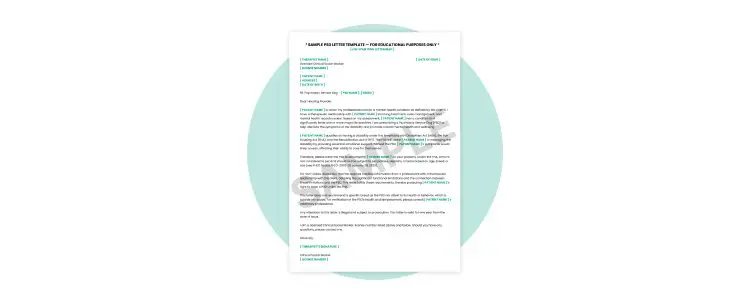
The ADA does not require documentation for service animals. Businesses cannot ask for proof of training or medical records. This ensures people with disabilities have equal access without unnecessary barriers.
However, having a PSD Letter can be beneficial in certain situations, serving as proof of a service dog. A PSD Letter issued by an LMHP confirms the handler’s need for a psychiatric service dog. While not required, it can help resolve disputes in housing or travel scenarios.
For example, landlords must allow service animals even in no-pet housing. Airlines also recognize PSD Letters to simplify boarding with your service dog.
Federal and Local Laws and Regulations on Service Dogs
The ADA sets federal standards for service dog access. It prohibits discrimination and ensures public accommodations. The Air Carrier Access Act (ACAA) reinforces these protections during air travel.
Extra penalties may apply at the state level for violations. California imposes fines and jail time for service dog misrepresentation. These state-level differences work alongside federal laws to strengthen compliance and accountability.
Americans with Disabilities Act (ADA) Federal Requirements
The ADA outlines strict requirements for businesses and public entities to accommodate service dogs. The ADA applies to restaurants, hotels, stores, and all public accommodations. It prohibits blanket “no pets” policies that conflict with the rights of a disabled person.
5 Key Points for Businesses
 Access
 Access
Service animals must be allowed everywhere customers are allowed.
(42 U.S.C. § 12182; 28 C.F.R. § 36.302(c))
Questions You Can Ask
 Questions You Can Ask
Businesses cannot request certification or training documents.
You may only ask two questions:
- Is the dog a service animal required because of a disability?
- What tasks has the animal been trained to perform?
(28 C.F.R. § 36.302(c)(6))
Fees
 Fees
FeesNo fees or charges are allowed for service animals.
Fees can only be applied for damages if the same rules apply to non-disabled customers.
(28 C.F.R. § 36.302(c)(8))
Control
 Control
Service animals must remain under control at all times.
They should be leashed or harnessed unless it interferes with their tasks.
(28 C.F.R. § 35.136)
Removal
 Removal
Animals may be removed if they misbehave or pose a direct threat.
Handlers can be asked to remove disruptive animals.
Air Carrier Access Act (ACAA) Federal Requirements
The Air Carrier Access Act (ACAA) ensures disabled passengers can travel with service animals. The ACAA applies only to service dogs. Emotional support animals are no longer protected under this act. Airlines must follow these key rules:
- Service animals must be allowed in cabins (14 C.F.R. § 382.117). This includes spaces under seats or on laps when safe.
- Certification is not required. Airlines may only request a DOT form for flights longer than eight hours or if there are behavioral concerns. (14 C.F.R. § 382.117(d))
- No extra fees or ticket costs can be charged for service animals.
- Facilities must include animal relief areas at terminals and escort services to relief areas on request. (14 C.F.R. § 382.63)
- Behavior rules apply. Animals displaying aggression or disruption can be denied boarding. However, airlines must document reasons for refusal.
Is It Illegal to Deny Service Dogs in My State? Local and Regional Penalties
Federal ADA rules apply nationwide, but state laws may add separate penalties depending on where the refusal happens. A denial in housing, transportation, or a public accommodation may trigger different state-level consequences.
| State | Housing | Travel | Public access | Statute |
|---|---|---|---|---|
| Alabama | Class C misdemeanor for denial in housing or public accommodation. | No specific state travel penalty; general public accommodation law applies. | Class C misdemeanor; first offense may include 100 hours community service; second offense may be Class B misdemeanor plus $100 fine. | Ala. Code § 21-7-4 |
| Alaska | Class B misdemeanor for denying a person with a disability the right to be accompanied by a service animal in housing or public places. | Class B misdemeanor for intentionally preventing use of a certified service animal in common carriers. | Class B misdemeanor for intentionally preventing or restricting service animal use in public accommodations. | A.S. § 11.76.130; A.S. § 18.80.240 |
| Arizona | Class 2 misdemeanor for discrimination against a service animal user in any public place, including housing. | Class 2 misdemeanor for denying service animal access to public places or transportation. | Class 2 misdemeanor; fraudulent misrepresentation may carry a civil penalty up to $250 per violation. | A.R.S. § 11-1024 |
| Arkansas | No specific criminal penalty stated for housing refusal; service animal rights apply in housing accommodations. | Right to use a service animal on public ways and transportation is protected; no specific travel refusal penalty stated. | Civil penalty up to $250 per violation for misrepresentation; willful killing or injury of a service animal may be a Class D felony. | A.C.A. § 20-14-304; § 20-14-310 |
| California | Civil liability: actual damages up to three times the amount, with a minimum of $1,000, plus attorney’s fees. | Harassing or obstructing a guide or service dog may be a misdemeanor, with up to 6 months in county jail and a $1,500-$2,500 fine. | Civil damages up to three times actual damages, minimum $1,000, plus attorney’s fees; criminal penalties may apply for harassment or injury. | Cal. Civ. Code § 54.3; Cal. Penal Code § 365.6; § 600.5 |
| Colorado | Class 3 misdemeanor for denying service animal access to housing. | Class 3 misdemeanor for denying service animal access to public transportation. | Class 3 misdemeanor for denial or interference; willful or wanton harm may trigger treble damages and attorney’s fees. | C.R.S.A. § 24-34-803; § 24-34-804 |
| Connecticut | Class D misdemeanor for denial in places of public accommodation, including housing. | Class D misdemeanor for denying access on public transportation or conveyance. | Class D misdemeanor for denial; intentional harassment or interference may be a Class C misdemeanor. | C.G.S.A. § 46a-44; § 46a-64 |
| Delaware | Civil complaint process through the Human Relations Commission; civil remedies may apply. | Civil complaint process for denial on common carriers or public transportation. | Intentional interference may be a Class B misdemeanor; injury, killing, or theft may carry higher criminal penalties. | 6 Del.C. § 4504; 16 Del.C. § 3056F |
| Florida | Second-degree misdemeanor plus 30 hours community service. | Second-degree misdemeanor plus 30 hours community service for denial on public transportation. | Second-degree misdemeanor plus 30 hours community service; separate penalties apply for interference, injury, or killing. | Fla. Stat. § 413.08; § 413.081 |
| Georgia | Misdemeanor of a high and aggravated nature; fine up to $2,000, up to 30 days imprisonment, or both. | Misdemeanor of a high and aggravated nature; fine up to $2,000, up to 30 days imprisonment, or both. | Misdemeanor of a high and aggravated nature; fine up to $2,000, up to 30 days imprisonment, or both. | Ga. Code Ann. § 30-4-2; § 30-4-4 |
| Hawaii | Civil damages of three times actual damages or $1,000 minimum, plus costs and attorney’s fees; business/entity fine up to $1,000. | Civil damages of three times actual damages or $1,000 minimum, plus costs and attorney’s fees; fine up to $1,000. | Civil damages of three times actual damages or $1,000 minimum; fine up to $1,000; criminal penalties may apply for injury or interference. | H.R.S. § 347-13; § 347-13.5; § 347-14 |
| Idaho | Misdemeanor for intentional denial of service animal access in housing. | Misdemeanor for intentional denial in common carriers or transportation. | Misdemeanor for denial or interference; separate penalties may apply for intentional interference or injury. | Idaho Code § 56-704; § 56-706; § 18-5812A |
| Illinois | Class A misdemeanor for denying service animal access in housing or public accommodation. | Class A misdemeanor for denying service animal access on public transportation. | Class A misdemeanor under the White Cane Law; denial may also be a Class C misdemeanor. | 775 ILCS 30/3; 775 ILCS 30/4; 720 ILCS 5/48-8 |
| Indiana | Class C infraction for refusing service animal access to public accommodations, including housing. | Class C infraction for refusing service animal access on public transportation. | Class C infraction for refusal; separate criminal penalties may apply for interference or injury. | Ind. Code § 16-32-3-2; § 35-46-3-11.5 |
| Iowa | Simple misdemeanor for knowingly denying or interfering with service animal rights in housing. | Simple misdemeanor for denying service animal access to common carriers or public transportation. | Simple misdemeanor for denial or interference in a public place. | Iowa Code § 216C.11; § 216C.7 |
| Kansas | Misdemeanor for denying or interfering with use of an assistance dog in housing or public accommodation. | Misdemeanor for denial or interference on public transportation or temporary lodging. | Misdemeanor for denial or interference; harm to an assistance dog may be a nonperson felony. | K.S.A. § 39-1102; § 39-1103; § 39-1107; § 21-6416 |
| Kentucky | Housing accommodations are enforced through the Kentucky Civil Rights Act; civil damages and attorney’s fees may apply. | Fine of $500-$1,000 for denying assistance dog access on common carriers or transportation. | Fine of $500-$1,000 for denying assistance dog access. | KRS § 258.500; § 258.991 |
| Louisiana | Fine of $100-$500, up to 6 months imprisonment, or both. | Fine of $100-$500, up to 6 months imprisonment, or both, for denial on common carriers. | Fine of $100-$500, up to 6 months imprisonment, or both, for denial or interference. | La. R.S. § 46:1953; § 46:1956 |
| Maine | Class E crime for denial or interference in public facilities, including housing. | Class E crime for denying service dog access on public transportation. | Class E crime for denial or interference; misrepresentation may carry a civil fine up to $1,000. | 17 M.R.S.A. § 1312; § 1314; § 1314-A |
| Maryland | Misdemeanor with fine up to $500 per offense for denial in housing or public accommodation. | Misdemeanor with fine up to $500 per offense for denial on public transportation. | Fine up to $500 per offense for denial; separate penalties apply for killing, injuring, or interfering with a service animal. | Md. Code, Human Services § 7-704; § 7-705; Md. Code, Criminal Law § 10-626 |
| Massachusetts | Fine up to $300 plus civil damages. | Fine up to $300 plus civil damages for denial on public conveyances. | Fine up to $300 plus civil damages. | M.G.L.A. c. 272 § 98A |
| Michigan | Misdemeanor for violation of service animal public accommodation rules, including housing. | Misdemeanor for violation of service animal access on public transportation. | Misdemeanor for denial; harassment or interference may carry up to 90 days and up to $500. | MCL § 750.502c; § 750.50a |
| Minnesota | Unfair discriminatory practice under the Minnesota Human Rights Act; civil remedies may apply. | Unfair discriminatory practice for prohibiting a service animal on public transportation or in a public place. | Discriminatory practice under the Minnesota Human Rights Act; civil remedies may apply. | Minn. Stat. § 363A.19 |
| Mississippi | Fine up to $100, up to 60 days in county jail, or both. | Fine up to $100, up to 60 days in county jail, or both, for denial on common carriers. | Fine up to $100, up to 60 days in county jail, or both; separate penalties may apply for interference. | Miss. Code Ann. § 43-6-7; § 43-6-11; § 43-6-155; § 97-41-21 |
| Missouri | Class B misdemeanor for denying service dog access in housing or public accommodation. | Class B misdemeanor for denying service dog access on public transportation. | Class B misdemeanor for denial; separate penalties may apply for harassment, injury, or death. | V.A.M.S. § 209.150; § 209.160; § 209.202 |
| Montana | Misdemeanor for denying service animal or service animal in training access in housing or public accommodation. | Misdemeanor for denying service animal access on public transportation. | Misdemeanor for denial or interference; fraud may carry escalating fines. | MCA § 49-4-214; § 49-4-215; § 49-4-222 |
| Nebraska | Class III misdemeanor for denial or interference in housing or public accommodation. | Class III misdemeanor for denial or interference on common carriers. | Class III misdemeanor for denial or interference. | Neb. Rev. Stat. § 20-127; § 20-129; § 28-1009.01 |
| Nevada | Unlawful to refuse admittance or service because of a service animal; civil remedies may apply. | Unlawful to refuse admittance or service on public transportation; civil remedies may apply. | Unlawful denial; interference may be a gross misdemeanor; beating or killing may carry felony penalties. | N.R.S. § 651.075; § 426.790 |
| New Hampshire | Misdemeanor for prohibiting, hindering, or interfering with a service animal handler or trainer in housing. | Misdemeanor for prohibiting, hindering, or interfering on public transportation. | Misdemeanor for denial or interference; injury to a service animal may carry additional penalties. | N.H. Rev. Stat. § 167-D:4; § 167-D:8; § 167-D:10 |
| New Jersey | Fine of $100-$500 for intentionally interfering with the rights of a person using a guide or service dog. | Fine of $100-$500 for intentional interference on transportation. | Fine of $100-$500 for intentional interference; separate offenses apply for killing, injury, or interference. | N.J.S.A. § 10:5-29; § 10:5-29.5; § 2C:29-3.2 |
| New Mexico | Misdemeanor for denying qualified service animal access to public buildings or accommodations, including housing. | Misdemeanor for denial on common carriers or public transportation. | Misdemeanor for denial; intentional interference may also be a misdemeanor with possible restitution. | NMSA § 28-11-3; § 28-11-4; § 28-11-5 |
| New York | Violation for denying equal use of a public facility to a person with a guide, hearing, or service dog. | Violation for denying service animal access on public transportation. | Violation for denial; interference or harassment may be a Class B misdemeanor; harming a service animal may carry higher penalties. | N.Y. Civil Rights Law § 47-b; § 47-c; N.Y. Penal Law § 242.05-242.15 |
| North Carolina | No specific housing-only criminal penalty stated; right to keep a service animal on leased premises is protected. | No specific travel penalty stated; general public accommodation right applies. | Willful interference, taunting, or obstruction may be a Class 2 misdemeanor; serious harm or killing may be a felony. | N.C.G.S.A. § 168-4.2; § 14-163.1 |
| North Dakota | Class A misdemeanor for denial or interference in public accommodation, including housing. | Class A misdemeanor for denial or interference on common carriers or public transportation. | Class A misdemeanor for denial or interference; willful injury or killing may be a Class C felony with civil penalties. | N.D.C.C. § 25-13-02; § 25-13-04; § 25-13-06 |
| Ohio | Full and equal accommodations required; civil enforcement may be available through the Ohio Civil Rights Commission. | Full and equal accommodations required on public conveyances. | Assaulting or harassing an assistance dog may carry misdemeanor or felony penalties depending on harm. | Ohio Rev. Code § 955.43; § 2921.321 |
| Oklahoma | Misdemeanor for denying service animal access to lodging or housing-related accommodations. | Misdemeanor for denial on common carriers, airplanes, trains, buses, streetcars, or boats. | Misdemeanor for denial; willful harm or interference may carry a fine up to $1,000, jail time, or both. | Okla. Stat. Ann. tit. 7, § 19.1; § 19.2; tit. 21, § 649.3 |
| Oregon | Unlawful to deny a person with a disability or trainer the right to be accompanied by an assistance animal in areas open to the public. | Unlawful to deny assistance animal access on public transportation. | Unlawful denial; intentional injury or interference may be a Class A misdemeanor; civil damages may apply. | O.R.S. § 659A.143; § 167.352; § 659A.141 |
| Pennsylvania | Summary offense for refusing access to a person using a service, guide, or support dog. | Summary offense for refusing access on public transportation. | Summary offense for denial; additional penalties may apply if a dog attacks a service dog. | 18 Pa.C.S.A. § 7325; § 5535 |
| Rhode Island | Civil penalties, actual damages, and attorney’s fees may apply under state fair housing and disability rights laws. | No specific state air travel law; federal ACAA applies. | Civil penalty up to $10,000, actual damages, and attorney’s fees may apply. | R.I. Gen. Laws § 42-87-1 et seq.; § 34-37-1 et seq. |
| South Carolina | Misdemeanor; fine at the court’s discretion, up to 3 years imprisonment, or both. | Misdemeanor; fine at the court’s discretion, up to 3 years imprisonment, or both. | Misdemeanor; fine at the court’s discretion, up to 3 years imprisonment, or both. | S.C. Code § 43-33-20; § 43-33-40 |
| South Dakota | Class 2 misdemeanor for failure to allow service animal access. | Class 2 misdemeanor for failure to allow service animal access on public transportation or accommodation. | Class 2 misdemeanor for refusal; malicious interference or harassment may also be a Class 2 misdemeanor. | S.D.C.L. § 20-13-23.2; § 40-1-38 |
| Tennessee | Civil penalties, actual damages, and attorney’s fees may apply under state human rights and fair housing laws. | No specific state air travel law; federal ACAA applies. | Class A misdemeanor for interference with a service animal; civil damages may also apply. | Tenn. Code Ann. § 39-14-210; § 8-50-103; § 4-21-314 |
| Texas | Civil fine of $300-$1,000 per violation, actual damages, and attorney’s fees may apply. | No specific state air travel law; federal ACAA applies. | Class A misdemeanor for denial of access; civil fine of $300-$1,000 and actual damages may apply. | Tex. Hum. Res. Code § 121.006 |
| Utah | Civil penalties, actual damages, and attorney’s fees may apply under the Utah Fair Housing Act. | No specific state air travel law; federal ACAA applies. | Class B misdemeanor for denial of service animal access; actual damages and civil liability may apply. | Utah Code § 57-21-9; § 62A-5b-104; § 62A-5b-106 |
| Vermont | Actual damages, attorney’s fees, and civil penalties may apply under state fair housing and public accommodation law. | No specific state air travel law; federal ACAA applies. | Civil penalty up to $10,000, actual damages, and attorney’s fees; separate service animal provisions may apply. | 9 V.S.A. § 4506; 20 V.S.A. § 3541 et seq. |
| Virginia | Civil penalties, actual damages, and attorney’s fees may apply under Virginia fair housing law. | No specific state air travel law; federal ACAA applies. | Class 4 misdemeanor, with fine up to $250, for denying or interfering with service animal access. | Va. Code § 36-96.18; § 51.5-44 |
| Washington | Actual damages, civil penalties, attorney’s fees, and injunctive relief may apply. | No specific state air travel law; federal ACAA applies. | Gross misdemeanor for interference with a service animal; fine up to $5,000, up to 364 days imprisonment, or both. | RCW § 49.60.225; § 70.84.060 |
| West Virginia | Civil penalties, actual damages, and attorney’s fees may apply under state fair housing law. | No specific state air travel law; federal ACAA applies. | Civil penalties and actual damages may apply; interference with guide dog access may carry a fine up to $500. | W. Va. Code § 5-11A-9; § 5-15-5 |
| Wisconsin | Actual damages, civil penalties, and attorney’s fees may apply under Wisconsin Open Housing Law. | No specific state air travel law; federal ACAA applies. | Denial may lead to civil complaints, damages, and attorney’s fees; misrepresentation may be a Class A misdemeanor. | Wis. Stat. § 106.50; § 106.52; § 174.056; § 174.136 |
| Wyoming | Actual damages, civil penalty up to $10,000, and attorney’s fees may apply under Wyoming Fair Housing Act. | No specific state air travel law; federal ACAA applies. | Misdemeanor with fine up to $750 for refusing to permit a service animal in public places. | Wyo. Stat. § 40-26-113; § 35-13-201; § 35-13-204 |
| Puerto Rico | Actual damages, civil penalty up to $10,000, and attorney’s fees may apply. | Federal ACAA applies to air travel. | Civil penalty up to $10,000, actual damages, attorney’s fees, and possible criminal fines. | Puerto Rico Law No. 44 of 1985; 1 L.P.R.A. § 501 et seq. |
Note: State service animal laws vary and may change. This table summarizes state-level penalties from the cited source and should be verified against current state statutes before publication. Federal ADA rules still apply nationwide, and air travel is generally governed by the federal Air Carrier Access Act rather than state law.
How to File a Complaint for Service Dog Denial
If your service dog is denied entry, taking swift action is essential. Following the correct steps ensures your rights are upheld and businesses are held accountable. Filing a complaint can lead to resolutions and prevent future violations.
Document the Incident
Record the denial’s date, time, and location. Include the names of employees involved and their statements.
Contact the Manager
Speak with the business manager. Explain that denying service dogs violates the Americans with Disabilities Act (ADA).
File a Complaint with the Department of Justice (DOJ)
Submit an online complaint on the DOJ’s Civil Rights Division website.
Mail a written complaint to:
- U.S. Department of Justice
- Civil Rights Division
- 950 Pennsylvania Avenue, NW
- Washington, DC 20530
- Call the ADA Information Line at (800) 514-0301
Explore State Filing Options
Many states have specific agencies to handle complaints. Check your state’s service animal laws for extra remedies.
Consider Mediation or Legal Action
The DOJ may investigate your case or refer it to the ADA Mediation Program. This process is confidential and often resolves disputes quickly.
Seek Legal Representation if Necessary
 Seek Legal Representation if Necessary
If the issue remains unresolved, consult an attorney familiar with ADA law. They can help enforce your rights under Title II and III of the ADA.
Documents to Gather
Before filing, prepare these essential documents to support your case. Thorough documentation can strengthen your claim and ensure a smoother resolution:

- Detailed Incident Report: A comprehensive record of the denial. This includes the names, statements, and evidence.
- PSD Letter (if applicable): This document is not required under the ADA. However, it may help validate your claim in housing or travel disputes.
- Communication Records: Include emails, letters, or other written exchanges with the business or organization.
- Receipts or Other Proof: Documentation showing your attempt to access the service. This can be receipts or appointment confirmations.
These steps and documents ensure a stronger case when advocating for your rights as a service animal handler.
Public Access Rights for Service Dogs
The ADA protects service dogs’ public access rights. These protections ensure individuals with disabilities can navigate public spaces. Without these legal safeguards, many disabled individuals would face barriers to essential services.
These rules ensure inclusivity for individuals who rely on trained animals. Understanding them helps businesses foster inclusivity and avoid penalties for non-compliance.
Get your Official PSD Letter Consultation from a licensed therapist.
Get PSD Letter NowWhere Are Service Dogs Allowed?
Under the Americans with Disabilities Act (ADA) and other federal laws, service dogs are granted broad access rights. These laws ensure that individuals with disabilities can bring service animals to spaces necessary for daily activities.

Businesses and Public Spaces
Service dogs are allowed in nearly all public accommodations. This includes restaurants, retail stores, offices, and other spaces open to the public. Businesses cannot refuse entry based on no-pet policies.
Handlers must ensure that their dogs remain controlled and do not disrupt operations. Misbehavior, such as excessive barking, can lead to the dog’s removal. However, the handler must still receive services.

Housing and Lodging Premises
The Fair Housing Act (FHA) protects service dogs and ESA handlers in residential settings, including those with no-pet policies. Landlords must accommodate service dogs without extra pet fees or deposits.
They cannot deny housing based on the presence of a service dog. Documentation of training or certification is not required. While a PSD Letter is optional, it can help resolve disputes when necessary.

Travel Regulations
The Air Carrier Access Act (ACAA) accommodates service dogs during air travel. Airlines must allow service dogs in cabins at no extra charge. Handlers are not required to provide training certificates.
Airlines may request behavior-related documentation for flights exceeding eight hours. Airports must provide designated animal relief areas and assistance to handlers. Dogs must behave appropriately and not disrupt the safety of other persons.
Learn more: What Are the Most Pet-Friendly Airlines?
Where Are Service Dogs Not Allowed?
Service dogs are allowed in most public spaces, but some exceptions exist. Sterile areas, such as hospital operating rooms, may restrict service dogs for safety reasons.
Private clubs and religious establishments are not required to admit service animals. However, they may choose to accommodate the needs of an individual with a disability. Zoos can limit access to areas where dogs directly threaten animals.
Programs like allergy-safe dormitories may restrict service dogs when necessary. Exclusion is permitted if a service dog behaves aggressively and is not housebroken.
Businesses must still serve a person with a disability if their service animal is excluded. This ensures their ability to access essential services remains intact.
Service Dogs vs. Emotional Support Animals (ESAs)
Service dogs and emotional support animals have different definitions and are not treated the same under federal public access laws. A service dog is individually trained to perform disability-related tasks, while an emotional support animal may provide comfort but does not receive the same ADA public access rights. If your dog helps with a psychiatric disability and is trained to perform specific tasks, a psychiatric service dog letter may help document your disability-related need.
FAQs About Refusing Service Dogs
Refusing access to a service dog can result in fines of up to $118,225 for a first offense. Repeat violations may incur fines of up to $236,451. California law imposes additional penalties of at least $4,000 per denial.
No. Businesses cannot demand certification or proof of training. They may only ask two ADA-compliant questions about the dog’s function and tasks.
Document the denial, including date, time, and location. Contact the manager to explain ADA laws. If unresolved, file a complaint with the Department of Justice or seek legal help.
A PSD Letter confirms the need for a psychiatric service dog. It helps in housing or travel disputes but is not required under the ADA.
Conclusion
Service dogs are vital for individuals with disabilities, offering independence and support. Federal laws like the ADA protect their rights, ensuring access to public spaces. Businesses that fail to comply may face steep penalties.
By understanding service dog regulations and the steps to address denial, both handlers and businesses can ensure compliance, avoid legal issues, and promote inclusivity. Educating businesses about these laws is essential for creating a more accessible and fair environment.
Get your Official PSD Letter Consultation from a licensed therapist.
Get PSD Letter Now
Sources
Electronic Code of Federal Regulations. (2025). 28 CFR § 85.5 — Adjustments to penalties for violations occurring after November 2, 2015. https://www.ecfr.gov/current/title-28/chapter-I/part-85/section-85.5
U.S. Department of Justice. (2025). Civil monetary penalties inflation adjustments for 2025. Federal Register, 90(126), 29445–29450. https://www.federalregister.gov/documents/2025/07/03/2025-12494/civil-monetary-penalties-inflation-adjustments-for-2025
U.S. Department of Justice. (n.d.). Americans with Disabilities Act Title III regulations. ADA.gov. https://www.ada.gov/law-and-regs/regulations/title-iii-regulations/
Electronic Code of Federal Regulations. (n.d.). 28 CFR § 36.302 — Modifications in policies, practices, or procedures. https://www.ecfr.gov/current/title-28/chapter-I/part-36/subpart-C/section-36.302
U.S. Department of Justice. (n.d.). Service animals. ADA.gov. https://www.ada.gov/topics/service-animals/
Electronic Code of Federal Regulations. (n.d.). 14 CFR Part 382 — Nondiscrimination on the basis of disability in air travel. https://www.ecfr.gov/current/title-14/chapter-II/subchapter-D/part-382
U.S. Department of Transportation. (n.d.). Service animals. https://www.transportation.gov/individuals/aviation-consumer-protection/service-animals
U.S. Department of Housing and Urban Development. (2020). Assessing a person’s request to have an animal as a reasonable accommodation under the Fair Housing Act. https://www.hud.gov/sites/dfiles/PA/documents/HUDAsstAnimalNC1-28-2020.pdf
Wisch, R. F. (2025). Table of state assistance animal laws. Animal Legal & Historical Center, Michigan State University College of Law. https://www.animallaw.info/topic/table-state-assistance-animal-laws
Animal Legal & Historical Center. (n.d.). State map of interference with assistance animal laws. Michigan State University College of Law. https://www.animallaw.info/content/state-map-interference-assistance-animal-laws

ESA and Service Animal Rights, Emotional Support Animal
Do ESA Letters Expire? Discover the Trut...

Brenda Mejia
Jan 22 2026

Emotional Support Animal, Housing
Anxiety Management: Real Strategies for ...

Jonalyn Dionio
Jan 8 2026


