

Emotional Support Animal for Anxiety: Benefits & Conditions That Qualify

I am a Licensed Clinical Social Worker dedicated to providing compassionate, client-centered assessments for individuals seeking Emotional Support Animals (ESAs). My approach is grounded in evidence-based practice, with a focus on understanding each person’s unique mental health needs and the meaningful role that animals can play in emotional well-being. I strive to create a supportive, respectful, and nonjudgmental environment where clients feel heard and validated. Through thorough clinical assessments, I help determine whether an ESA is an appropriate and beneficial part of a client’s care. My goal is to ensure ethical, professional, and accessible services that empower individuals to enhance their quality of life.
June 12, 2026


I am a Licensed Clinical Social Worker dedicated to providing compassionate, client-centered assessments for individuals seeking Emotional Support Animals (ESAs). My approach is grounded in evidence-based practice, with a focus on understanding each person’s unique mental health needs and the meaningful role that animals can play in emotional well-being. I strive to create a supportive, respectful, and nonjudgmental environment where clients feel heard and validated. Through thorough clinical assessments, I help determine whether an ESA is an appropriate and beneficial part of a client’s care. My goal is to ensure ethical, professional, and accessible services that empower individuals to enhance their quality of life.
June 12, 2026
An emotional support animal for anxiety can make daily life feel more manageable when anxious thoughts, panic attack symptoms, or overwhelming stress begin to take over. These animals do not “cure” anxiety, and they are not a replacement for therapy, medication, or guidance from a licensed mental health professional. But for many people, the steady presence of an animal companion can provide emotional support, comfort, routine, and a calming sense of security.
Emotional support animals are different from pets in one important way: they are recommended as part of a person’s mental health care. They are also different from service animals and psychiatric service dogs, which are trained to perform specific tasks for people with disabilities. An ESA’s role is not task-based training. Its role is emotional comfort, companionship, and support for a mental health condition.
For people dealing with anxiety disorders, post-traumatic stress disorder, depression, panic disorder, social anxiety, obsessive-compulsive disorder, or other mental health challenges, that support can be meaningful. The gentle routine of feeding, walking, grooming, cuddling, or simply sitting near an animal can help bring the mind back to the present moment.
 Do You Qualify for an ESA?Find Out Now

Easing Anxiety with the Companionship of an Emotional Support Animal
Many people first search for pets for anxiety when they are trying to understand how animal companionship can help. While a pet can bring joy and comfort, an ESA is different because it is recommended by a licensed mental health professional for a mental health condition. The benefits of an ESA may include emotional comfort, routine, companionship, and support during moments of stress or anxiety.
Animals for anxiety — whether dogs, cats, rabbits, birds, fish, or other domesticated animals — provide different types of support depending on the person’s needs. Some people feel calmer with a dog beside them during daily activities. Others prefer a quiet cat, a gentle rabbit, or the peaceful routine of caring for fish. The best support animal is one that fits your lifestyle, your symptoms, and your ability to provide consistent care.
How Emotional Support Animals Help With Anxiety
Anxiety can affect the body, brain, emotions, and daily activities. Some people experience racing thoughts, fear, trouble breathing, restlessness, muscle tension, rapid heart rate, sadness, or physical symptoms that feel hard to control. Others struggle with social interactions, overstimulation, loneliness, or a lack of stability in their routine.
Emotional support animals help with anxiety by creating a consistent source of comfort. Their presence can interrupt anxious thoughts, provide grounding, and make a person feel less alone during moments of fear or conflict. When anxiety symptoms rise, focusing on an animal’s breathing, fur, movement, or behavior can become a simple mindfulness technique.
ESAs may support people across several anxiety-related conditions.
- For generalized anxiety disorder, an animal companion may help create routine and reduce ongoing worry.
- For panic disorder, the presence of an ESA may provide grounding during or after a panic attack.
- For social anxiety, an ESA can offer comfort before difficult interactions and may make some social situations feel less overwhelming.
- An ESA for OCD may help reduce loneliness and provide emotional stability while a person follows a broader treatment plan.
- An ESA for anxiety and depression may also support mood, companionship, and daily structure when both conditions affect daily life.
- An ESA for PTSD may provide companionship, emotional comfort, and a calming presence during moments of heightened stress or fear.
Many people also find that caring for an ESA creates a sense of purpose. Feeding an animal, cleaning its space, taking it outside, or following a regular schedule can help regulate daily routines and habits. For someone whose anxiety makes life feel unpredictable, that structure can be a stabilizing force.
There are also physical and emotional wellness benefits associated with human-animal interaction. Studies on human-animal interaction suggest that interacting with animals may help reduce cortisol, a stress hormone, and lower blood pressure. Animals may also reduce feelings of loneliness, increase feelings of social support, and boost mood. These effects are part of why many people describe their ESA as a grounding presence during stress.
Benefits of Emotional Support Animals for Anxiety
The benefits of emotional support animals for anxiety can vary depending on the person, the animal, and the severity of the mental health condition. Still, many ESA owners describe similar forms of relief.
Emotional Regulation During Stress
The presence of an animal can make intense emotions feel less overwhelming. During an anxiety attack or panic attack, an ESA may help redirect attention away from fear and toward something safe and familiar. This can be especially helpful when anxious thoughts begin to spiral.
Unlike psychiatric service dogs, emotional support animals are not trained to perform specific tasks, such as alerting someone before an anxiety attack or retrieving medication. Instead, they provide emotional comfort through their presence, companionship, and bond with their owner.
Reduced Loneliness and Increased Connection
Anxiety and depression can make people withdraw from family, friends, work, school, or public places. ESAs can reduce feelings of loneliness by offering steady companionship and unconditional love. They can also facilitate social interactions. A dog walk, a conversation about a cat, or a shared interest in animals can create low-pressure opportunities to connect with others.
For people who struggle with social anxiety, these small interactions may feel more accessible than traditional social situations.
A More Stable Daily Routine
An ESA needs care, attention, food, grooming, exercise, and a safe living space. These responsibilities can help create rhythm in daily life. For people who feel stuck, isolated, or overwhelmed, an animal’s needs can gently encourage them to get out of bed, follow a schedule, move their body, and stay connected to the present.
Regular physical activity, especially with dogs, may also support mental wellness by encouraging movement, fresh air, and routine. Even smaller animals like cats, rabbits, birds, or fish can create meaningful habits around feeding, cleaning, and daily care.
Comfort Without Judgment
Anxiety can make a person feel misunderstood. An ESA offers a kind of comfort that does not require explaining, defending, or hiding emotions. The relationship is simple: presence, care, trust, and connection.
That quiet companionship can matter, especially for people who are dealing with severe anxiety, panic attacks, post-traumatic stress disorder, or other mental disabilities that affect daily functioning.
Can Anxiety Qualify for an Emotional Support Animal?
Yes, anxiety may qualify for an emotional support animal when it is connected to a mental health disability or mental health condition that affects daily life. A licensed mental health professional can determine whether an ESA may be appropriate for your situation.
Common anxiety-related conditions that may lead someone to explore an ESA include:
-
Generalized anxiety disorder
-
Panic disorder
-
Social anxiety disorder
-
Obsessive-compulsive disorder
-
Anxiety with depression
-
Post-traumatic stress disorder
The first step is not buying a vest, registering your animal, or paying for an online certificate. The first step is speaking with a licensed professional who can evaluate your symptoms, diagnosis, lifestyle, and need for support.
How to Get an ESA for Anxiety
The process of getting an ESA for anxiety is usually straightforward, but it should be done carefully and legally.
1. Assess Your Needs
Start by looking honestly at your anxiety levels and daily life. Do you experience panic attacks, severe anxiety, anxious thoughts, fear, loneliness, or physical symptoms that interfere with your routine? Does the presence of an animal help you feel calmer, safer, or more grounded?
An ESA may be helpful, but it is not the right option for everyone. Animals require time, care, money, attention, and long-term responsibility. Your lifestyle, housing, work schedule, health, and ability to care for an animal all matter.
2. Speak With a Licensed Mental Health Professional
A licensed mental health professional, therapist, psychiatrist, psychologist, doctor, or other qualified provider can help determine whether you have a qualifying mental health condition and whether an ESA would support your treatment or daily functioning.
A recommendation from a licensed mental health professional is typically required if you need an ESA letter for housing. This documentation should come from someone who has a professional relationship with you and can explain your disability-related need for the animal.
3. Get a Legitimate ESA Letter
An ESA letter is the key documentation for an emotional support animal. It should confirm that you have a mental health disability or condition and that the animal provides therapeutic emotional support that helps alleviate symptoms or effects of that disability.
A legitimate ESA letter should generally include:
- Your name
- The licensed professional’s name and credentials
- Professional licensing information
- The date of the letter
- Confirmation that the animal helps with a disability-related need
- The type of animal, when relevant
You do not need an official registry for your ESA. Online registries, certificates, ID cards, and vests do not create legal rights by themselves. The important document is a valid ESA letter from a licensed professional.

Get Your Legitimate ESA Letter

4. Choose the Right Animal Companion
Dogs are the most popular type of emotional support animal, but they are not the only option. Cats, rabbits, birds, fish, hamsters, gerbils, and many other domesticated animals may serve as emotional support animals when they provide comfort and are appropriate for the person’s needs and housing environment.
The best ESA is not always the biggest, most active, or most affectionate animal. The right choice depends on your anxiety symptoms, home, routine, energy level, finances, and ability to provide care.
Popular ESAs for Anxiety
Animals for anxiety can provide many different types of support. Some help through physical affection. Others help through routine, quiet presence, movement, or visual calm. Dogs, cats, rabbits, birds, fish, and other domesticated animals may serve as emotional support animals when they provide comfort and fit the person’s lifestyle and care abilities.
ESA Dogs for Anxiety
An ESA dog for anxiety may be a great fit for people who benefit from movement, companionship, and regular physical activity. Dogs often encourage owners to leave the house, walk, build a schedule, and interact with others.
The benefits of emotional support animals for anxiety can be especially noticeable when the animal helps create daily structure. For example, a dog may encourage regular exercise, while a cat may provide quiet emotional comfort during stressful moments.
Breeds often associated with gentle temperaments include Golden Retrievers, Labrador Retrievers, Cavalier King Charles Spaniels, and many mixed-breed dogs. Still, breed is not the only factor. Personality, training, age, energy level, and compatibility with your lifestyle matter more than choosing a dog based on a list.
Support Cats for Anxiety
Emotional support cats for anxiety are among the most accessible ESA options. Cats can provide emotional comfort without needing outdoor walks, which may be helpful for people with limited energy, mobility challenges, or overstimulation in public places.
A common question is whether service cats for anxiety are legally recognized. Under the Americans with Disabilities Act (ADA), service animals are dogs trained to perform specific tasks for a person with a disability. Cats can be emotional support animals, but they are not service animals according to the ADA. In other words, a support cat may provide comfort for anxiety, but it is not the same as a psychiatric service dog.
Fish, Birds, Rabbits, and Other Comfort Animals
An emotional support fish can be effective for some people. Watching fish swim in an aquarium can be calming, predictable, and grounding. Fish may also be a good option for people who need emotional support but cannot manage the exercise needs of a dog or the grooming needs of a cat.
Birds such as parakeets and cockatiels may provide companionship, sound, and interaction. Rabbits can offer a gentle presence and routine. The key is choosing a domesticated animal that you can care for responsibly and that fits your daily life.
ESA vs. Psychiatric Service Dog: What’s the Biggest Difference?
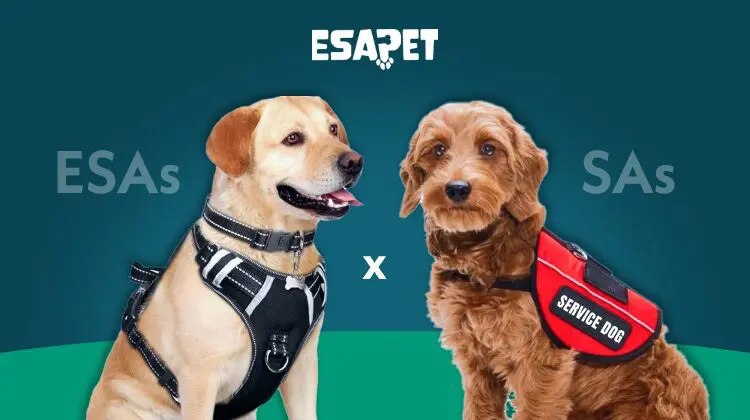
The biggest difference between an emotional support animal and a psychiatric service dog is task training.
Emotional support animals provide companionship, comfort, and emotional support. They do not require specialized training to perform disability-related tasks. Their benefit comes from the relationship, presence, and emotional regulation they help create.
Psychiatric service dogs are service animals trained to perform specific tasks for a person with a mental health disability. For example, a psychiatric service dog may be trained to recognize signs of an anxiety attack, interrupt harmful behavior, retrieve medication, guide a person to safety, or apply pressure during a panic attack.
Both ESAs and psychiatric service dogs can support people with mental health challenges. But they have different legal rights, training requirements, and public access rules.
ESA Legal Rights: Housing, Public Places, and Travel
ESAs have important protections, but they do not have the same access rights as service animals.
Housing Under the Fair Housing Act
ESAs are protected under the Fair Housing Act as assistance animals when they are needed because of a disability. This means a housing provider may need to make a reasonable accommodation for an ESA, even in apartments or housing with a no-pet policy.
A landlord or housing provider may ask for reliable documentation when the disability or disability-related need is not obvious. This is where a valid ESA letter from a licensed professional becomes important.

Public Places
Emotional support animals do not have the same legal right to enter restaurants, stores, schools, workplaces, or other public places as ADA service animals. Some businesses may allow them voluntarily, but they are not generally required to do so under the ADA.
Service animals, including psychiatric service dogs, have broader public access rights because they are trained to perform specific tasks for people with disabilities.
Flying With an ESA
Air travel rules have changed. Airlines are no longer required to treat emotional support animals as service animals. Many airlines now treat ESAs as pets, which means fees, carrier rules, and size restrictions may apply.
Before flying, look for airlines that allow ESAs and check the airline’s current pet and service animal policies. Do not assume an ESA letter will allow your animal to fly in the cabin for free.
ESAs for Anxiety FAQs
Yes. Anxiety may qualify for an emotional support animal when it is connected to a mental health disability or mental health condition that affects daily life. A licensed mental health professional can determine whether an ESA is appropriate and whether documentation is needed.
Yes, you can get an emotional support animal for anxiety if a licensed mental health professional determines that an ESA would help with your disability-related needs. The animal does not need specialized training, but it should provide emotional support and be manageable in your home environment.
Emotional support animals help with anxiety by offering companionship, routine, comfort, and grounding during stressful moments. They may help reduce loneliness, support daily habits, and provide a calming presence when anxiety symptoms feel overwhelming.
A pet that helps with anxiety may simply be a pet, but when a licensed mental health professional recommends the animal to help with a mental health condition, it may be called an emotional support animal. If the animal is a dog trained to perform specific tasks for a disability, it may be a psychiatric service dog.
Yes. An ESA for anxiety and depression is common when both conditions affect a person’s daily life. The animal may provide companionship, routine, emotional comfort, and a sense of purpose while the person continues therapy, medication, lifestyle changes, or other treatment recommended by a professional.
Is an ESA for Anxiety the Right Choice for You?
An emotional support animal for anxiety can offer comfort, routine, companionship, and emotional relief during difficult moments. For many people, the presence of an animal provides a sense of safety when anxiety symptoms, panic attacks, or overwhelming thoughts begin to rise.
Still, an ESA is a serious responsibility. Animals need care, space, attention, exercise, veterinary support, and consistency. The goal is not just to receive comfort, but to create a healthy relationship that supports both your mental wellness and the animal’s well-being.
If you think an ESA could help with your anxiety, speak with a licensed mental health professional. They can help determine whether an emotional support animal fits your diagnosis, lifestyle, treatment plan, and daily needs.
Update Notes
Feb. 18, 2026: This article was medically reviewed by Christina Gigler
Jun. 12, 2026: This article was entirely rewritten to bring relevant updated information on the benefits of emotional support animals for patients with anxiety conditions.
Sources
Barr, H. K., Guggenbickler, A. M., Hoch, J. S., & Dewa, C. S. (2024). Examining evidence for a relationship between human-animal interactions and common mental disorders during the COVID-19 pandemic: A systematic literature review. Frontiers in Health Services, 4, Article 1321293. https://doi.org/10.3389/frhs.2024.1321293
Beetz, A., Uvnäs-Moberg, K., Julius, H., & Kotrschal, K. (2012). Psychosocial and psychophysiological effects of human-animal interactions: The possible role of oxytocin. Frontiers in Psychology, 3, Article 234. https://doi.org/10.3389/fpsyg.2012.00234
Hoy-Gerlach, J., Vincent, A., Scheuermann, B., & Ojha, M. (2021/2022). Exploring benefits of emotional support animals (ESAs): A longitudinal pilot study with adults with serious mental illness (SMI). Human-Animal Interaction Bulletin, 10(2), 1–19. https://www.cabidigitallibrary.org/doi/pdf/10.1079/hai.2022.0016
National Institutes of Health. (2018, February). The power of pets: Health benefits of human-animal interactions. NIH News in Health. https://newsinhealth.nih.gov/2018/02/power-pets
Ratschen, E., Shoesmith, E., Shahab, L., Silva, K., Kale, D., Toner, P., Reeve, C., & Mills, D. S. (2020). Human-animal relationships and interactions during the COVID-19 lockdown phase in the UK: Investigating links with mental health and loneliness. PLOS ONE, 15(9), Article e0239397. https://doi.org/10.1371/journal.pone.0239397
Hughes, M. J., Verreynne, M.-L., Harpur, P., & Pachana, N. A. (2020). Companion animals and health in older populations: A systematic review. Clinical Gerontologist, 43(4), 365–377. https://doi.org/10.1080/07317115.2019.1650863
Christian, H. E., Westgarth, C., Bauman, A., Richards, E. A., Rhodes, R. E., Evenson, K. R., Mayer, J. A., & Thorpe, R. J., Jr. (2013). Dog ownership and physical activity: A review of the evidence. Journal of Physical Activity and Health, 10(5), 750–759. https://doi.org/10.1123/jpah.10.5.750
Reeves, M. J., Rafferty, A. P., Miller, C. E., & Lyon-Callo, S. K. (2011). The impact of dog walking on leisure-time physical activity: Results from a population-based survey of Michigan adults. Journal of Physical Activity and Health, 8(3), 436–444. https://doi.org/10.1123/jpah.8.3.436

Housing, Emotional Support Animal, ESA and Service Animal Rights
Renting with an ESA: Tenant Rights, Land...

Brenda Mejia
Jan 25 2024

ESA and Service Animal Rights, Psychiatric Service Dog, Service Animals
Service Dog Registration: Everything You...

Jonalyn Dionio
Dec 12 2025