
How to Potty Train a Puppy: Fast Housebreaking Guide for 2026
 Written by
Potty training is one of the most important early lessons for any new puppy. A solid routine builds confidence, reduces accidents, and helps your puppy understand what’s expected inside your home. The process works through consistency, repetition, and positive reinforcement — never fear or punishment.
When you follow proven dog training methods and set realistic expectations, housebreaking becomes much faster and far less stressful, supporting both house training and training your puppy from day one as part of a complete puppy potty train plan.
Why Potty Training Matters?
Housebreaking isn’t just about keeping your floors clean. It also supports consistent potty training and strengthens the foundation of house training overall. It also:
- Teaches your puppy self-control
- Builds predictable daily rhythms
- Reduces stress and confusion
- Encourages clean, safe habits
- Strengthens the bond between you and your puppy
A well-trained puppy is calmer, learns better, and fits more comfortably into a household routine, creating momentum for successful potty training that benefits both new owners and their dogs.
How to Toilet Train a Puppy: 3 Essential Techniques
There are three primary techniques used by trainers and behavior experts. All work well when applied consistently and become easier as you focus on puppy potty training and everyday house training progress:
1. Outdoor Potty Training
2. Crate Training
3. Puppy Pads or Paper Training
Essential Supplies for Housebreaking

Puppy Pads
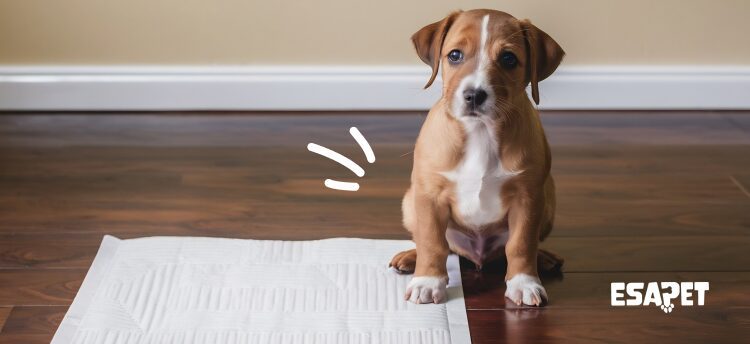
Absorbent pads are helpful for emergencies or indoor training. Quality pads typically include multiple layers, gel-locking technology, and leak-resistant borders for clean use and easy disposal, making puppy pads a reliable part of early potty training routines.

Crates
A wire crate with an adjustable divider is ideal. The space should be just big enough for your puppy to stand, turn, and lie down. Too much room can encourage accidents in one corner and sleeping in another, which can slow down house training when the space is not managed correctly.

Cleaning Products
Enzymatic cleaners are essential. They remove odor at a molecular level so your puppy doesn’t return to the same spot, helping reinforce consistent potty training habits.
Step-by-Step Guide to Training Your Puppy to Go Outside
Step 1: Pick a dedicated bathroom spot
Choose one specific area outside — the same patch of grass, corner of the yard, or spot near the sidewalk. Consistency helps your puppy quickly understand that this is the place where potty time happens. Puppies form “surface preferences,” and returning to the same ground reinforces your potty area, improving overall potty training habits.
Step 2: Always take your puppy on a leash
Even if you’re in your own yard, use a leash. It keeps your puppy close, prevents them from getting distracted, and guides their attention toward the bathroom area instead of exploring, playing, or sniffing endlessly. This simple step alone speeds up training your puppy and reinforces house training patterns for most dogs.
Step 3: Use a consistent cue word
Pick one cue — “go potty,” “bathroom,” “outside,” etc. — and repeat it every time you arrive at the bathroom spot. Your puppy learns to associate the phrase with the expected action, which becomes extremely helpful later when you need them to go potty quickly during walks or trips. This step strengthens ongoing training your puppy routines and supports reliable potty training habits.
Step 4: Wait quietly and patiently
Stand still, stay calm, and avoid talking or interacting while your puppy works it out. Puppies often need a moment to sniff the ground, circle, or find the perfect spot. Too much chatter or movement can distract them, so quiet patience is key, especially while your puppy eliminates and learns consistent house training behaviors.
Step 5: Reward immediately after they finish
Timing is everything. The moment your puppy finishes eliminating, immediately reward them with praise, a cheerful tone, or a small treat. This teaches them that going in this spot — and doing it outdoors — leads to something great. Delay the reward even by a few seconds and the association becomes weaker for training your puppy and overall potty training success.
Step 6: Confirm they’re completely finished
Some puppies stop mid-stream or mid-poop because they get excited by your reaction. Wait a couple of seconds after they finish to be sure they’re done. Only then reward. This helps your puppy eliminate fully, reducing accidents and reinforcing consistent potty training progress.
Understanding the Potty Training Timeline
Young puppies are still developing bladder and bowel control, which affects how often they need bathroom breaks and shapes early potty training expectations. Very young puppies usually need to go out every 1–2 hours, and a helpful guideline is the “age in months + one hour” rule for daytime holds.
Most puppies can sleep around seven hours overnight before needing a break. These biological limits set the foundation for what you can expect during the early weeks of training as your new puppy grows and your dog matures over time.
How Long Does It Take to Potty Train a Puppy?
The full training process takes longer than just developing bladder control. Most puppies begin showing noticeable improvement between 12 and 16 weeks, while true reliability — fewer accidents, consistent routines, and recognizing door cues — can take anywhere from two to six months for a dog to become fully house trained.
Factors like your schedule, consistency, supervision, and your puppy’s temperament play a major role, especially for dog owners learning training your puppy routines. Setbacks are common during growth spurts or routine changes, but with patience and regular reinforcement, progress continues steadily throughout house training.
Monitoring Your Puppy’s Diet
Digestive patterns play a direct role in potty training success and are strongly connected to maintaining a steady feeding schedule. Consistent meal times make elimination predictable, while:
- Low-quality
- Overfeeding
- Constant snacking
- Sudden diet changes can all lead to more frequent or irregular bowel movements. Solid, predictable digestion makes potty training much easier and supports smoother house training progress overall.
Establishing a Consistent Schedule
A predictable routine is one of the strongest tools in potty training and helps reduce accidents through regular frequent trips outside. Most puppies need to go:
- Every 2 hours
- After waking up
- After eating or drinking
- After playtime
- Before bedtime
Removing the water bowl 2–3 hours before sleep reduces overnight accidents. Feeding at the same time each day makes elimination more predictable and reinforces a stable feeding schedule that supports ongoing house training success.
How to Use Crate Training for Potty Success?
A crate is one of the most effective potty training tools when used correctly, making it a central part of long-term house training and essential for training your puppy consistently. To get the best results:
- Choose a crate that fits your puppy’s size and stage
- Use a divider to adjust space as they grow
- Feed meals near or inside the crate to build a positive association
- Use the crate for rest and short periods of supervised confinement
- Never use the crate as punishment
This method supports clean habits and teaches puppies to hold their bladder until they’re taken outside, helping prevent accidents as your puppy eliminates less frequently and moves toward becoming fully house trained.
4 Common Potty Training Challenges
It’s normal to experience bumps along the way during house training and early potty training. Some of the most common issues include:
1. Regression
Temporary setbacks often happen during growth spurts or routine changes, and most dogs experience at least minor regressions during house training.

2. Surface Confusion
Puppies may confuse soft carpets with pads if both are accessible early on, especially when puppy pads or even a litter box are present during early potty training stages.

3. Outdoor Distractions
Young puppies may forget to eliminate if they’re overstimulated; the leash helps keep them focused and supports consistent training your puppy patterns during outdoor potty training.

4. Excitement or Submissive Urination
Some puppies urinate when overly excited or unsure. This usually improves with maturity and calm interactions as part of normal house training progress while your new dog adjusts to routines.
You can also explore tasks dogs can learn to understand the level of difficulty they can reach and the variety of helpful behaviors they’re capable of learning.
Handling Accidents the Right Way
Accidents will happen — they’re part of the process, especially when living with a new dog who is still learning consistent potty training habits. What matters is how you respond:
- Avoid punishment entirely
- If you catch your puppy in the act, gently interrupt and guide them outside
- If you find the accident later, simply clean it and move on
- Use enzymatic cleaners to remove all traces of scent
- Learn your puppy’s early warning signs: circling, sniffing, pacing, hunching, or squatting
Calm, consistent responses help your puppy learn without fear or confusion and make it easier to notice early cues before a potty break becomes urgent.
When to Seek Professional Help?
If your puppy’s progress stalls or you start noticing patterns that feel unusual, it may be time to get support from a professional. Certified trainers who specialize in positive reinforcement can help refine your routine, adjust your schedule, or address specific behaviors that may be slowing your puppy down, especially if a dog walker or additional training your puppy support is needed.
In more complex situations — such as repeated accidents despite consistent training, sudden changes in elimination habits, or signs of discomfort — a veterinary behavior specialist can evaluate potential medical issues, including concerns related to early neutering or underlying conditions affecting potty training consistency.
Conditions like urinary infections, digestive problems, stress, or anxiety can affect potty training, and a qualified professional can identify and treat the root cause. Early intervention keeps training on track and ensures your puppy stays healthy and confident, supporting long-term successful potty training as your puppy grows.
If you want to go beyond early housetraining, you can follow structured routines at home. This guide on tips for training your dog at home is a great place to start.
Conclusion
Potty training a puppy takes patience, structure, and a little bit of detective work, especially as your puppy eliminates more consistently throughout how to potty train a puppy routines. When you combine a predictable routine with positive reinforcement, timely rewards, and the right supplies, you set your puppy up for success from day one with strong potty training foundations.
Every puppy learns at a different pace, and setbacks are a normal part of the process — not a sign that anything is wrong during early house training. Stay consistent, celebrate small wins, and guide your puppy gently through each stage as part of ongoing training. With the right approach, your puppy won’t just learn where to go; they’ll become fully house trained, build trust, and settle confidently into routines without missing a potty break.