

How to Teach a Puppy to Walk on a Leash: The Loose-Leash Guide

Dog Name: Jonie Jonalyn Dionio is not only a skilled web developer but also a dedicated pet lover, which deepens her expertise on topics related to emotional support animals. Through her journey with her Akita, Jonie, Jonalyn has gained firsthand insight into the needs, behaviors, and profound emotional connections pets bring to their owners' lives. With over a decade of experience in web development, Jonalyn excels in creating dynamic, user-friendly websites tailored to meet specific client needs. Proficient in HTML, CSS, JavaScript, and PHP, she combines technical skill with a personal passion for pets to craft accessible, informative platforms for the ESA community.


Dog Name: Jonie Jonalyn Dionio is not only a skilled web developer but also a dedicated pet lover, which deepens her expertise on topics related to emotional support animals. Through her journey with her Akita, Jonie, Jonalyn has gained firsthand insight into the needs, behaviors, and profound emotional connections pets bring to their owners' lives. With over a decade of experience in web development, Jonalyn excels in creating dynamic, user-friendly websites tailored to meet specific client needs. Proficient in HTML, CSS, JavaScript, and PHP, she combines technical skill with a personal passion for pets to craft accessible, informative platforms for the ESA community.
Training a puppy involves teaching them to walk politely on a leash without pulling, using positive reinforcement. The dog training process includes helping your puppy become comfortable wearing a collar and leash by introducing the equipment indoors.
Creating positive experiences and gradually exposing the dog to wearing the leash are key to successful leash training, making it a fun experience with treats and short, focused sessions.
This systematic approach ensures your puppy builds positive associations and masters leash walking skills step by step.
What Is Leash Training? Why Is It Important?
Leash training is a partnership-building exercise between you and your dog. It creates a critical communication channel for public safety and enjoyment. Proper leash training ensures the safety of your dog and those around them, preventing them from running into traffic or interacting inappropriately with other animals.
During leash training, it’s important to assess whether your puppy has actually ‘heard’ your commands, as this directly affects how well they respond to cues and follow instructions.
This training is important for compliance with local leash laws, which mandate that dogs remain on a lead in public spaces. This training helps dogs learn to walk calmly and obediently in public, fostering responsible pet ownership. Mastering this skill allows you and your dog to enjoy outdoor activities together safely.
Leash training is important for every breed, but specific training approaches may vary depending on your dog’s breed and temperament.
When Should You Start Leash Training a Puppy?
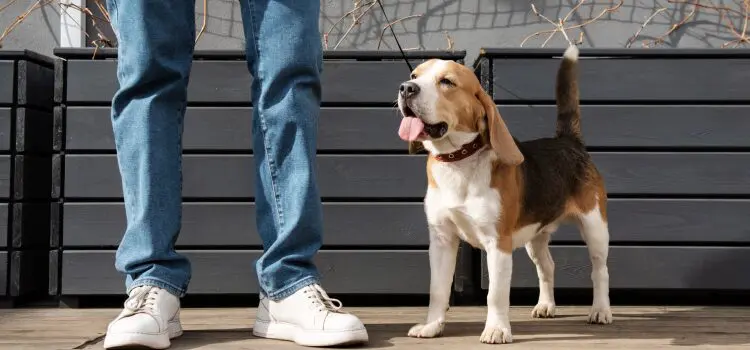
You start leash training a puppy as early as 7 to 12 weeks old. This early introduction during their peak socialization period fosters positive associations with the leash and collar.source
Starting leash training early helps prevent the development of unsafe behaviors, making the process smoother.
Puppies can be leash-trained as early as 7 weeks old. This timing allows your new puppy to integrate leash walking into their routine before solidifying any habits.
To start walking your puppy, begin indoors or in a controlled environment before progressing to outdoor walks. Begin these initial sessions when your puppy is between 8 and 12 weeks old for the best results, as they are receptive to learning.
Leash training is not limited to young puppies—an old puppy or even an older dog can still learn to walk on a leash with patience and the right approach.
If this is your first dog, starting leash training early helps set a strong foundation for future behavior.
Step-by-Step Guide to Teaching Loose-Leash Walking
Teaching loose-leash walking follows a linear, chronological process. You systematically introduce equipment, practice in controlled environments, and build skills incrementally. As your puppy progresses, you will also teach them how to calmly pass other dogs and people during walks. Each step builds upon the last, guiding your puppy towards polite leash behavior.
Step 1 – Introduce the Collar, Harness, and Leash
Introduce the collar, harness, and leash at home, in a familiar environment, allowing your puppy to wear the equipment for short periods while playing and receiving treats.source Using treats during leash training helps create positive associations with the collar and leash.
A collar or harness is essential for leash training a dog. The collar should fit comfortably around your puppy’s neck to prevent strain or injury. Ensure the puppy associates “collar-and-leash time” with food and fun.
Step 2 – Start Training Indoors
Start leash training your puppy by walking indoors in a low-distraction environment. This quiet area, like your house or yard, allows your puppy to focus on the new sensations and your instructions.source
Master the walking behavior indoors first, without the leash, then add the leash, before moving to outdoor challenges.source Practice just a few steps at a time to gradually build your puppy’s confidence. This foundational work builds confidence before facing outside distractions.
Step 3 – Lure Your Puppy to Your Side
Use a treat held at your knee or hip side to lure your puppy into the correct walking position.source You use treats to reward your puppy for walking beside you on a leash, reinforcing their position.
Rewarding your puppy for choosing to stay close to you helps reinforce polite walking behavior. The “Heel” command can be introduced to encourage puppies to walk nicely by your side. You “capture” the behavior of your dog being by your side, rewarding it immediately when it naturally occurs.source
Step 4 – Use the Stop-and-Wait Method
If your puppy pulls on the leash and it becomes tight, stop moving until they return to your side, creating slack in the leash.source This “Be a Tree” method dictates you stand completely still, refusing to move forward until the leash is loose.source If your puppy is resisting the leash, remain patient and wait for them to relax before proceeding. Wait for the dog to create slack in the leash by stepping back or looking at you before moving forward again.source Forward movement earns a loose leash.
Step 5 – Build Distance and Duration
Practice walking around obstacles inside your house, like furniture, to teach your dog to follow your body language and attention cues.source Gradually increase the length of your training intervals and the number of steps your puppy walks correctly before receiving a reward. This steady progression helps your puppy generalize their skills.
Step 6 – Add a Verbal Cue
Introduce a cheerful “Let’s Go” cue to signal that you are changing direction or beginning to move forward.source Teach a “release” word like “free” or “go sniff” to inform your dog when they can stop heeling and explore their environment, giving your puppy more freedom to explore while you still maintain control .source These cues provide clear communication during your walks.
Step 7 – Reward Attention and Check-Ins
Practice calling your dog back to your side during the walk and rewarding them, reinforcing their “checking in” behavior.source Praising your puppy for good leash behavior helps reinforce their understanding of what is expected during walks. Reward eye contact to keep your puppy focused on you, even amidst distractions, before attempting to walk.source Use positive reinforcement to encourage your puppy to walk calmly on a leash, maintaining their focus and engagement.
Three Key Principles of Successful Puppy Leash Training
Successful puppy leash training relies on foundational principles that guide your approach. Raising a well-behaved puppy involves consistent leash training and early socialization.
The core philosophy centers on the Least Intrusive, Minimally Aversive (LIMA) approach, prioritizing humane and effective methods.source You must remember that walks offer enrichment for your dog, allowing them opportunities for exploration.source
Successful leash training encourages listening and responsiveness to your cues. It is important to gently remind your puppy of the correct behavior with consistent cues during leash training to reinforce good habits and prevent pulling or misbehavior.
Understanding your puppy’s behavioral type can help tailor your training approach.

1. Positive Reinforcement
Simply put, positive reinforcement means rewarding your puppy for the behaviors you want to see more often.
Positive reinforcement is key to successful leash training, proving the most effective method for teaching desired behaviors.source Dogs repeat behaviors that consistently result in food or fun, creating strong positive associations with training activities.source
Use high-value treats to reward your puppy for walking calmly on a leash. You can also use play as a reward after your puppy successfully walks on the leash, making training more enjoyable.
Be sure to provide lots of positive reinforcement to help reinforce good leash manners.
2. Consistency on Every Walk
Inconsistent enforcement creates a variable reinforcement schedule for pulling, making the habit significantly harder to break. Every handler walking the dog must enforce the same rules consistently, preventing confusion for the dog.source Maintaining a unified approach across all family members ensures your puppy understands expectations.

3. Patience and Short Sessions
Practice short training sessions to keep your puppy engaged and prevent frustration. Puppies possess short attention spans, requiring brief, focused bursts of activity. Keep each training session under an hour to maintain your puppy’s focus and avoid overwhelming them. Short sessions also prevent frustration for both you and your dog.source
You must end sessions while your puppy remains eager to continue, reinforcing positive feelings about the training.source Supervision during each session is essential to guide your puppy and correct unwanted behaviors in real time.
Taking Leash Training Outside
Gradually increase the difficulty of the training environment as your puppy improves, transitioning from indoors to outdoors. Your puppy may encounter new sounds outdoors, which can be distracting.
The rate of reinforcement (treats) must be very high in new, distracting environments to compete with outside stimuli effectively.source Practice polite walking at doorways (thresholds) to prevent your dog from rushing out the door excitedly.source
If your dog becomes distracted or starts wandering away during walks, use treats and cues to regain their attention and keep them focused on you. If your dog starts pulling on the leash, stop moving until they return to your side, creating an immediate halt to forward movement.
This consistent response helps your dog understand that pulling stops the walk. Gradually introduce your puppy to different outdoor environments while carefully managing distractions.
Essential Tools for Puppy Leash Training
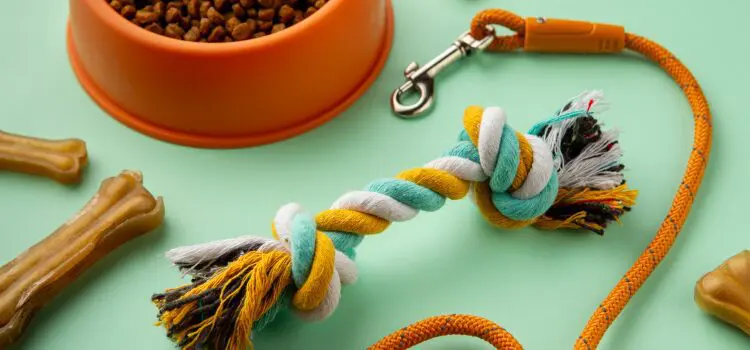
Selecting the correct equipment significantly impacts your leash training success. You must choose tools that facilitate learning and prevent discomfort. The Humane Society advises against using choke chains, prong collars, or shock collars, as these cause pain and fear, undermining training goals.source
Front-Clip Harness
Harnesses that distribute pressure evenly, like Y-shaped front-clip harnesses, are recommended for puppies to discourage pulling. Victoria Stilwell strongly advocates for front-connection harnesses to manage pulling humanely.source These harnesses discourage pulling by turning your dog back toward you when they apply tension.source Front-hook harnesses and head halters are alternative training tools designed for dogs that tend to pull.
High-Value Training Treats
Use special, high-value treats specifically for leash training in distracting environments, like small pieces of cheese or hot dogs.source APDT recommends using soft, smelly treats that your dog can eat quickly without stopping the flow of the walk.source Keep a treat pouch attached to your belt for easy and quick access to rewards during walks.source
Verbal Marker or Clicker
Introduce sound cues, such as a clicker, to signal good behavior and the arrival of treats during leash training. This specific sound cue, like a clicker, the word “yes,” or a tongue cluck, indicates that food is coming.source The clicker or verbal marker “Yes!” precisely marks the exact moment your dog performs the correct behavior.source Introduce a cue sound to signal to your puppy that a reward is coming, building strong associations.
Appropriate Leash Length
A standard 4-6 foot nylon leash is recommended for training, providing enough length for guidance without excessive slack.source A leash should be at least 6 feet long for effective training, allowing you to create distance or change direction.
Avoid using retractable leashes, as they can reinforce pulling behavior and undermine training efforts. Retractable leashes teach your dog that constant tension results in forward movement, making loose leash concepts difficult to grasp.source
Three Common Leash Training Problems and Solutions
Leash training often presents challenges with behavioral issues such as barking and pulling during walks. Understanding the root cause of each problem helps implement effective solutions. You must remain patient and consistent in your approach.
It’s important to redirect your puppy’s attention before they develop unwanted behaviors during leash training.
My Puppy Pulls on the Leash
Dogs possess an “oppositional reflex,” meaning they instinctively pull harder against the leash if you pull back on it.source If your dog gets ahead, turn 180 degrees and walk the other way to teach them to pay attention to your movements.source
Changes in direction while walking can help teach puppies to follow their owners rather than leading. The “Penalty Yards” method involves backing up several steps if your dog pulls toward a distraction, teaching them that pulling moves them further away from their goal.source
My Puppy Lunges at People or Dogs
If your dog lunges at distractions, create distance and redirect their attention with a treat before they react. You must use desensitization techniques at a distance where your dog remains calm, gradually decreasing that distance as they improve.source Teach the “Leave It” command to prevent your dog from pulling toward trash or other dogs on walks effectively.source This helps them ignore triggers.
My Puppy Barks on Walks
Some dogs bark at other dogs while walking due to a lack of exercise and stimulation. To address barking, use treats to redirect your dog’s attention before they start barking at another dog. Exercise your dog before walks to burn off excess energy, making them calmer and less reactive. This strategy helps manage excitement and reduce vocalizations.
How Long Does Leash Training Take?
With consistent leash training, many owners notice significant progress within a week or two, though full mastery can still take weeks or months and requires patience and consistent application of rules.source The timeline depends on your dog’s age, temperament, and your consistency during training sessions.
Practicing leash training every day is essential for reinforcing good habits and helping your puppy learn more quickly.
You must commit to regular practice to build positive habits over time. It is a continuous learning process for both you and your dog.
When to Seek Professional Help
You seek professional help if pulling persists or involves aggression, despite consistent training efforts. APDT recommends hiring a Certified Professional Dog Trainer (CPDT) if complex behavioral issues arise.source These experts provide tailored guidance and specialized techniques for challenging situations. Do not hesitate to consult a professional trainer for persistent problems.
Leash Training A Puppy Faqs
Leash training can take months to master, requiring consistent effort and patience from you.source Many owners notice significant progress within a week or two, but achieving full reliability and consistent loose-leash walking in all environments requires ongoing practice and dedication. You must remain patient, understanding that this is a continuous learning process for both you and your puppy.
Harnesses are generally recommended over collars for walking to avoid neck strain, distributing pressure more evenly across your puppy’s chest.source Front-clip harnesses specifically help with steering, gently redirecting your puppy’s forward motion when they pull.source You prioritize your puppy’s comfort and safety during training by using a well-fitting harness.
Your puppy’s refusal to walk and propensity to sit often stems from fear or confusion, not stubbornness. You must not force a dog to move; instead, use luring and patience to encourage them forward. Walking equipment should never be used to trick or lure a dog into being restrained, as this can induce a fear response and undermine trust.source
No, retractable leashes are discouraged because they teach dogs that pulling extends the lead, reinforcing undesirable behavior.source These leashes provide inconsistent tension, making it difficult for your puppy to understand the concept of loose-leash walking. You should use a fixed-length leash to provide clear communication and consistent feedback during training.
Final Thoughts on Puppy Leash Training
Puppy leash training requires patience, consistent positive reinforcement, and the correct tools. Remember that walks offer essential mental and physical enrichment for your dog. Begin your first indoor session today to build a strong foundation for a happy dog. This commitment strengthens your bond and leads to enjoyable walks together.
Sources
American Society for the Prevention of Cruelty to Animals. (n.d.). ASPCA | American Society for the Prevention of Cruelty to Animals. Retrieved January 12, 2026, from https://www.aspca.org/
APDT International. (n.d.). HOME – APDT International. Retrieved January 12, 2026, from https://apdt.com/
Victoria Stilwell Positively. (n.d.). Victoria Stilwell Positively | The future of dog training. Retrieved January 12, 2026, from https://positively.com/
Humane World for Animals. (n.d.). Global Animal Welfare Org | Humane World for Animals. Retrieved January 12, 2026, from https://www.humaneworld.org/en


