

Dog Recall Training: How To Teach a Dog To Come

Dog Name: Jonie Jonalyn Dionio is not only a skilled web developer but also a dedicated pet lover, which deepens her expertise on topics related to emotional support animals. Through her journey with her Akita, Jonie, Jonalyn has gained firsthand insight into the needs, behaviors, and profound emotional connections pets bring to their owners' lives. With over a decade of experience in web development, Jonalyn excels in creating dynamic, user-friendly websites tailored to meet specific client needs. Proficient in HTML, CSS, JavaScript, and PHP, she combines technical skill with a personal passion for pets to craft accessible, informative platforms for the ESA community.


Dog Name: Jonie Jonalyn Dionio is not only a skilled web developer but also a dedicated pet lover, which deepens her expertise on topics related to emotional support animals. Through her journey with her Akita, Jonie, Jonalyn has gained firsthand insight into the needs, behaviors, and profound emotional connections pets bring to their owners' lives. With over a decade of experience in web development, Jonalyn excels in creating dynamic, user-friendly websites tailored to meet specific client needs. Proficient in HTML, CSS, JavaScript, and PHP, she combines technical skill with a personal passion for pets to craft accessible, informative platforms for the ESA community.
The thought of your beloved dog wandering off, lost in an unfamiliar environment, brings a wave of anxiety to any owner. This concern often centers on their safety, so ensuring your dog returns promptly when called offers peace of mind and protection.
A reliable recall is a critical safety skill that allows for off-leash freedom and prevents dangerous situations. The better the recall, the safer the dog is when off-leash, and the more he can enjoy off-leash freedom with his human. Recall training ensures your dog returns to you in off-leash situations like dog parks.
Reliable recall is important in the event of an emergency. Dog recall training is not just about teaching a trick; it is about establishing a vital safety protocol that safeguards your companion.
What Is Recall in Dog Training?
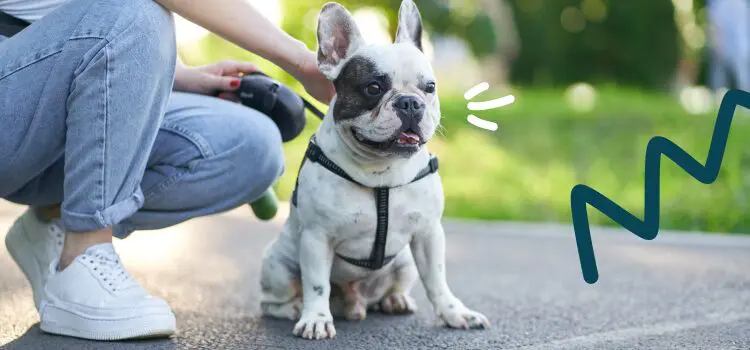
Dog recall training is teaching a dog to return immediately and enthusiastically when given a specific verbal or visual cue. This specific response to a command is a foundational element of responsible dog ownership. It establishes clear communication between you and your dog, just like teaching them to sit or potty-training them.
The “Come” command keeps your dog safe from traffic and aggressive animals. This behavior is monitored in studies on training approaches. Recall training frequency was one of the behaviors tracked in the study on owner-reported training methods.
Why Teaching Recall to Your Dog Is Crucial
Teaching recall to your dog is crucial for their well-being and your peace of mind. Reliable recall is one of the most important skills a dog can acquire. This skill provides a layer of protection against unforeseen dangers that arise in public spaces.
Having a reliable recall is especially important if you want to allow your dog off-leash outside of a fenced yard or dog park. A solid recall is a valuable behavior for dogs of all sorts, including those who compete in sports or provide therapy or assistance work.
As a backup safety measure, microchip details must be kept up-to-date by law in the UK to help reunite lost dogs. This ensures a chance for reunion even if recall fails, though the aim is to prevent such situations from happening.
Steps of a Reliable Recall
Building a reliable recall requires consistent effort and a structured approach. Positive reinforcement methods are the most ethical and effective for dog training, as proven by research. Control Group 2 (positive reinforcement) achieved significantly better responses to the “Come” command. These steps outline a clear path to achieving a strong recall with your dog.
Establish the Basics Indoors
Start your training in a slow, low-distraction environment, like inside your house. Teaching a dog their name is the first step before adding the recall command. Training should begin indoors or in an enclosed garden with tasty treats.
Select High-Value Rewards
Use high-value rewards like cooked chicken or cheese to keep dogs motivated during recall training. Effective rewards include tiny pieces of cheese, hot dogs, or toys. Make sure to reward your dog with a high-value treat when they get to you.
Introduce the Cue
Choose a short, unique cue like ‘Come’ or ‘Here’ for recall training to avoid a ‘poisoned cue.’ The cue should follow the dog’s name, such as “Fido, Come”. The command “Come” should be given only once in a clear, happy voice.
Increase Distance and Distractions
Practicing with a 15–30 foot long leash allows freedom while still preventing the dog from ignoring cues. Once consistent indoors, use a long training lead to practice recall in a fenced yard or quiet park. Distractions should be added gradually as the dog improves. Gradually introduce mild distractions before higher-level distractions like wildlife or other dogs during practice.
Dog Recall Games to Make Training Fun
The Chase Game
Recall training does not need to be tedious; it can be a fun game. To encourage speed in recall, engage the dog’s natural chasing instinct by running away while calling them. Running away from your dog while calling them can encourage them to come to you.
This playful approach makes you the most exciting thing in your dog’s environment, turning the recall into an enjoyable pursuit. This positive association strengthens their desire to return quickly. Effective training relies on positive reinforcement to make you the most exciting thing in your dog’s environment.
Round Robin Recalls
For a truly family-oriented approach, consider ‘Round Robin Recalls’ with your loved ones. Playing games like ‘Round Robin Recalls’ with family members and friends can enhance recall training. Training sessions should be fun and rewarding to build a strong bond.
Have family members stand in a circle or scattered around a fenced yard, then take turns calling the dog. Each call from a different person, followed by a reward, helps your dog learn to respond reliably to various voices and tones. This method reinforces the recall cue in diverse contexts.
Restrained Recall
The restrained recall dog training technique is excellent for building anticipation and excitement. Training recall can be made fun by incorporating games into the process. You can use high-value and unpredictable rewards to make recalls irresistible for your dog.
Have a person gently hold your dog by their collar while you walk a short distance away. Turn, call your dog with your happy cue, and have the helper release them as you call. This builds incredible drive and enthusiasm for coming to you, turning recall into a powerful, engaging experience.
Tips for Training Recall
Effective dog training recall relies on understanding common pitfalls and employing strategies that promote a positive learning experience. Negative associations can derail progress, so careful attention to your method is important. Always remember your pup learns best when feeling safe and rewarded.
- Don’t use the recall command for negative experiences to avoid poisoning the cue.
- Never punish a dog that eventually comes, even if they were slow. This creates a negative association with returning to you.
- Owners should not chase their dog if they run away, as this can be seen as a game. Instead, running away from your dog while calling them can encourage them to come to you.
- A common training mistake is to recall your dog and then put the leash on, which can lead to a negative association with the recall cue. Instead, frequently call the dog, reward them, and then release them to return to play.
- Group C dogs (positive reinforcement) showed lower cortisol measures than Group A (e-collar) dogs. Positive reinforcement training was found to pose fewer risks to dog welfare. Avoid aversive methods like e-collars.
- Effective training relies on positive reinforcement to make you the most exciting thing in your dog’s environment.
- Avoid calling your dog when he’s not likely to come to prevent teaching him that your recall cue is meaningless. To avoid poisoning the cue, it is important to ensure the dog is likely to respond before calling them.
Teaching Recall for Dogs FAQs
Understanding the nuances of training dog’s recall helps address common difficulties. These frequently asked questions provide clarity on key concepts for owners.
A ‘poisoned cue’ occurs when a recall cue has an unclear meaning or a negative association for the dog. If a dog learns that the recall cue sometimes means ‘bad stuff,’ the cue becomes poisoned. Overusing a recall cue without the dog responding can also lead to a poisoned cue, making the cue ineffective.
If the dog does not respond, the owner should go to the dog without punishment. If your dog does not come when called, do something else to regain their attention before calling again.
If your dog has a ‘poisoned cue,’ you need to pick a different word for the recall command. Choose a new word that your dog has no prior negative association with to re-establish a clear and positive meaning. Start from the beginning with a cheerful voice and high-value treats.
Training recall can be made fun by incorporating quick games into the process. Playing games like ‘Round Robin Recalls’ with family and friends can enhance recall training. These games make the experience a rewarding and exciting thing for your dog.
Only say the recall command once and avoid repeating it, as this teaches the dog they can ignore the first call. Repeating the command dilutes its meaning and delays the dog’s response. Allow your dog to process the single command you give.
Dogs in the positive reinforcement group had shorter response latencies than the e-collar group. Positive reinforcement yields more immediate and enthusiastic responses from dogs during training. It helps build a strong bond between humans and dogs.
A long line is ideal when you’re proofing recall around distractions but still need safety and control. Start in low-distraction areas, then gradually increase difficulty (parks, new smells, mild dog traffic). The long line lets your dog make choices while preventing them from rehearsing “ignore and run off.”
Most owners do well with a long line of 5–10 meters (15–30 ft) for early recall practice, then 10–15 meters (30–50 ft) for proofing in bigger spaces. Avoid retractable leashes for recall training—consistent tension and handling are harder and can create safety issues.
With a dog on leash, focus on teaching the pattern:
cue → turn toward you → move with you → reward.
Use a happy cue, then take a couple quick steps backward to invite chasing you. Reward immediately with yummy treats when they orient and come in close — don’t wait until they’re bored at your feet.
Recall works best when your dog is already paying attention, or at least able to notice you. Build a habit of “check-ins” by rewarding eye contact, name response, and turning toward you randomly during walks. If they’re locked onto something, regain attention first (move away, make a kissy noise, scatter treats) and then call.
Yummy treats are high-value rewards your dog doesn’t get for boring stuff. Think soft, smelly, and quick to swallow (tiny bits of chicken, cheese, hot dog, or commercial training treats). Use the best treats when distractions are high, so coming back to you is always worth it.
Many dogs learn “come” predicts the fun ending (leash on, go home), which can poison recall. After your dog comes, give treats, clip the leash, then release them to play again (“Go sniff!”). This teaches: coming to you doesn’t always end freedom—even when the leash appears.
Consider a dog trainer if your dog bolts, ignores you around major distractions, has a history of being punished for coming, or you’re dealing with fear/reactivity. A qualified trainer can tailor a plan (management + reinforcement + gradual proofing) and prevent you from accidentally reinforcing the wrong behavior.
If your dog “needs to see the treat,” you can fade the lure by keeping treats hidden and rewarding after they commit. Practice calling, marking the moment they turn toward you, then deliver yummy treats from a pocket. You can also reward with play or permission to sniff, not just food.
Do both. Short sessions build the skill, but recall becomes reliable when you practice it in real life: on walks with your dog on leash, call them for a step or two, reward, then continue walking. These tiny reps teach that recall is part of normal life, not a “special event.”
Keep the long line lightweight and avoid letting it drag near the dog’s mouth. Reward for coming close and calmly stepping on the line instead of reaching for the collar. If your dog turns it into a fun game, move away, get them paying attention, then cue recall and reward heavily for coming in.
Conclusion
Building a reliable recall for your dog is an act of care and responsibility. It provides safety in various environments, from a busy intersection to a wide open field. This training strengthens the bond between you and your cherished companion.
To build a reliable recall, we must teach our dogs that being near us is the most fun thing they can do and will bring them the most rewards. Effective training relies on positive reinforcement to make you the most exciting thing in your dog’s environment. This commitment ensures your dog’s well-being.
Training builds a positive relationship between the owner and the dog. You are empowering your dog with freedom while providing them with a critical life-saving skill.
Sources
Peer-Reviewed Journal Articles
China, L., Mills, D. S., & Cooper, J. J. (2020). Efficacy of dog training with and without remote electronic collars vs. a focus on positive reinforcement. Frontiers in Veterinary Science, 7, 508. https://doi.org/10.3389/fvets.2020.00508 Frontiers in Public Pages
Cooper, J. J., Cracknell, N., Hardiman, J., Wright, H., & Mills, D. S. (2014). The welfare consequences and efficacy of training pet dogs with remote electronic training collars in comparison to reward-based training. PLoS ONE, 9(9), e102722. https://doi.org/10.1371/journal.pone.0102722
Pearson, C., Filippi, P., Lush, L., & González, L. A. (2021). Automated behavioural monitoring allows assessment of the relationships between cow and calf behaviour and calves’ survivability and performance. Applied Animal Behaviour Science, 245, Article 105493. https://doi.org/10.1016/j.applanim.2021.105493
Web Resources
Dogs Trust. (n.d.). Recall training: Come back when called. https://www.dogstrust.org.uk/dog-advice/training/basics/recall-training
UC Davis School of Veterinary Medicine. (n.d.). Recall training in dogs. https://healthtopics.vetmed.ucdavis.edu/health-topics/canine/recall-training-dogs